If you’re focused on strength training, nutrition, and staying physically independent after 50, you’re absolutely on the right track.
But there’s one factor that’s just as important and often overlooked: social connection.
Social Isolation Is a Health Risk, Not Just a Lifestyle Issue
Recent research has made something very clear: social isolation is not just emotional. It’s physiological.
A landmark Harvard study tracking thousands of adults over decades found that close relationships, more than money or fame, are what keep people healthy and happy as they age. More recently, a large-scale meta-analysis published in Nature Aging confirmed that loneliness and social isolation significantly increase mortality risk in older adults, raising the risk of dementia, disability, and premature death. The U.S. Surgeon General has now officially classified loneliness as a public health crisis, comparing its impact on the body to smoking 15 cigarettes a day.
This is not a nice-to-have. It’s a core pillar of healthy aging.
What Happens to the Body and Brain Without Connection
When social interaction declines, the effects are real and measurable. Cognitive decline accelerates as isolation reduces cognitive reserve and speeds up brain aging. Risk of dementia increases, while rates of depression and anxiety climb. The cardiovascular system takes a hit too, with a greater risk of heart disease and stroke observed consistently across research.
In simple terms, the body responds to isolation as a form of chronic stress.
The Positive Flip Side: Social Connection as Medicine
The good news? Social interaction works powerfully in the other direction.
A study out of Rush University Medical Center found that people with active social lives had a significantly slower rate of cognitive decline than those who were more isolated. Staying socially engaged is also linked to increased longevity, better mobility and independence, and lower rates of depression. Perhaps most striking, regular social activity may reduce dementia risk by up to 38% and delay its onset by years. Activities that combine movement with interaction, like dancing, appear to be especially powerful, with research from the New England Journal of Medicine showing that dancing is among the most protective activities for the aging brain.
Why This Matters More After 50
As we age, several natural shifts increase the risk of isolation: retirement and loss of daily structure, loss of a spouse or close friends, reduced mobility, and health challenges. These are normal life transitions, but they create a gap that must be intentionally filled.
Connection doesn’t happen automatically anymore. It has to be created.
I learned this firsthand a few years ago. There was a stretch of time when my routine looked perfectly healthy on paper. I was working out, eating well, staying disciplined. But something felt off. The days were quiet in a way that didn’t feel restorative, just empty.
What shifted things wasn’t a new program or better nutrition. It was something simple. I started meeting a friend for a weekly walk. No agenda, just movement and conversation. Within a few weeks, my energy was different. I felt more motivated, more grounded, and honestly, more like myself again.
It was a good reminder that health isn’t only built in the gym or the kitchen. It’s built in connection too.
What “Good” Social Interaction Actually Looks Like
This is where most advice falls short. It’s not about being busy or surrounded by people. It’s about meaningful engagement.
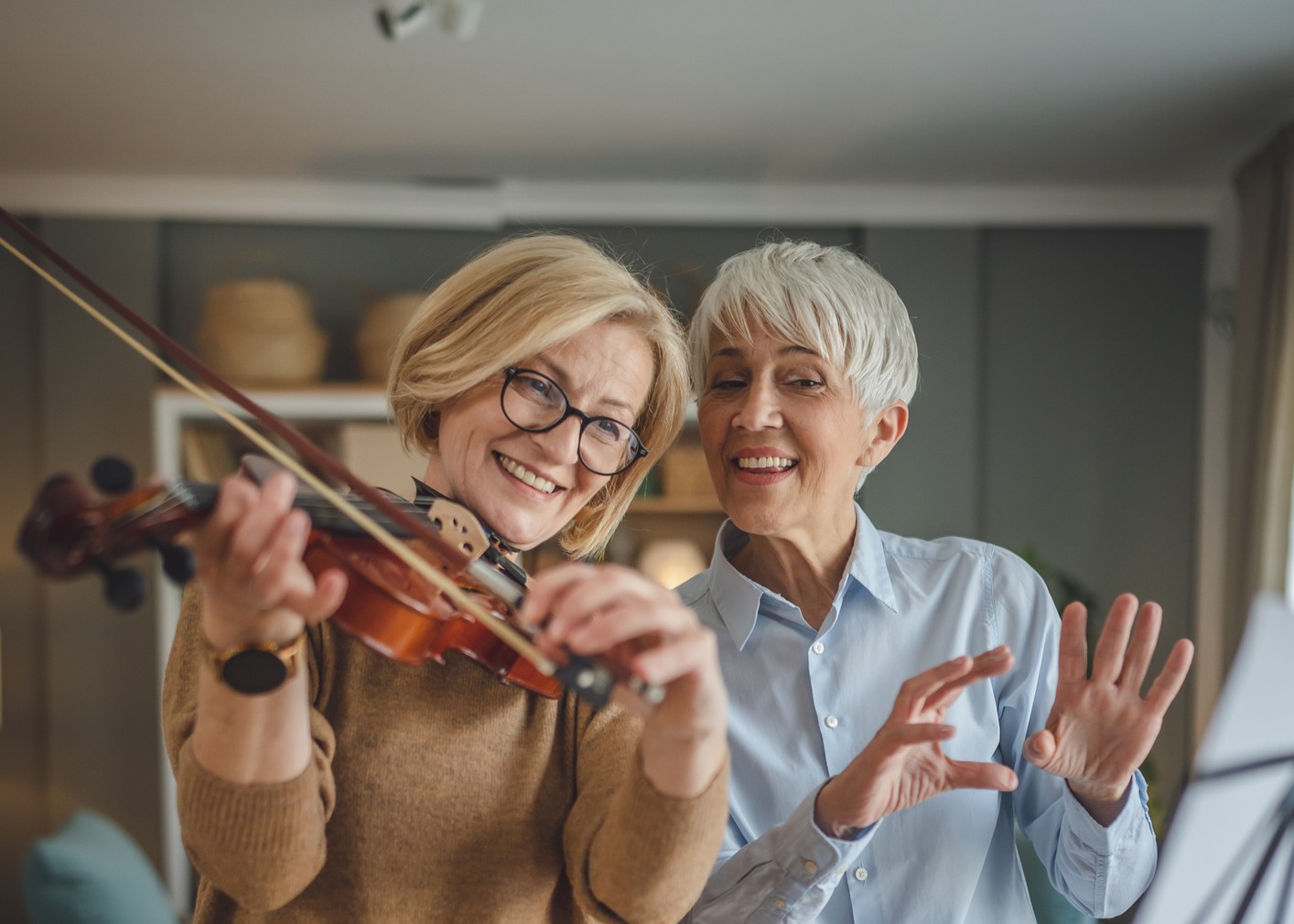
What works: a standing weekly coffee or walk, group exercise or strength classes, volunteering or mentoring, learning environments like classes or book clubs, and shared activities like games, hobbies, or travel groups. Even small, consistent interactions make a difference.
A Practical Framework
Think of your social health in three simple layers.
The first is an Anchor Connection, one consistent recurring interaction each week. The second is Light Touch Points, a few texts, calls, or quick check-ins two or three times a week. The third is Community Exposure, a group, class, or event once or twice a week.
This isn’t about overcommitting. It’s about consistency over intensity.
The Bottom Line
You can lift weights. You can eat well. You can optimize your health in a dozen different ways.
But without connection, you’re missing one of the most powerful drivers of long-term well-being.
Strength keeps you independent. Connection gives that independence meaning.