
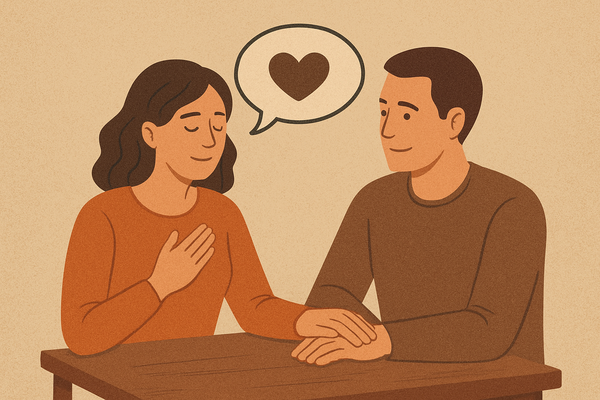
Think about a time you felt completely safe with someone. You could share your thoughts without fear, make mistakes without shame, and be your unfiltered self.
That feeling is emotional safety—and it’s the foundation of every healthy relationship.
Why it matters
Without emotional safety, even small disagreements can feel like threats. You may find yourself overthinking every word, avoiding hard conversations, or holding back your real feelings. Over time, this erodes trust, intimacy, and connection.
When emotional safety is present, relationships can handle disagreements without lasting damage—because both people know the bond is secure.
The neuroscience of safety
Emotional safety is linked to the body’s ventral vagal state—the calm, connected mode of your nervous system.
- When you feel safe, your brain’s prefrontal cortex stays engaged, supporting empathy, problem-solving, and communication.
- When safety is missing, your brain shifts into fight, flight, or freeze mode, making it nearly impossible to listen, trust, or connect.
Attachment research shows that consistent, reliable responses from loved ones strengthen the neural pathways associated with security.
Ways to build emotional safety
1. Listen to understand, not to respond
When your goal is to “win” or “fix,” the other person’s defenses go up. Aim to understand before you reply.
2. Keep small promises
Following through—even on little things—signals reliability over time.
3. Use repair attempts
When tension rises, small gestures like humor, a gentle touch, or a soft “Let’s start over” can reset the emotional climate.
4. Practice vulnerability in small doses
Share something personal, then notice how it’s received. Gradually deepen the openness as trust builds.