For years, I thought I was doing everything right with my meals.
Plenty of vegetables. Healthy grains. A little chicken here and there.
But after 50, something shifted.
The scale started creeping up. My energy dipped. And no matter how “healthy” I ate, my body didn’t respond the way it used to. My muscles weren’t bouncing back, and workouts didn’t seem to stick.
If that sounds familiar, you’re not doing anything wrong.
You’re just working from an outdated playbook.
What Changes After 50
Here’s what no one really explains.
As we age, our bodies don’t need less food. They need different support.
You naturally lose muscle over time. This is called Sarcopenia, and it starts earlier than most people realize. At the same time, metabolism slows, recovery takes longer, and your body becomes less efficient at using the protein you eat.
So the old advice of “eat less” or “cut carbs” misses the real issue.
The solution is not eating less.
It’s eating smarter.
Why Protein Matters More Now
Protein is not just about muscle. It supports nearly every system in your body.
After menopause, your body becomes less responsive to protein, which means you actually need more of it to maintain strength and function.
When you consistently eat enough protein, you:
- Preserve muscle, which supports balance, strength, and bone health
- Support your metabolism, since muscle burns more calories at rest
- Stay fuller longer, which helps prevent mindless snacking
- Recover better from workouts and daily activity
This is not about bodybuilding.
This is about staying strong, capable, and independent.
How Much Protein Do You Actually Need?
The current research points to about 1.2 to 1.5 grams of protein per kilogram of body weight per day for women over 50.
For most women, that lands somewhere around 90 to 110 grams per day.
You don’t need to track every gram.
A much simpler way to think about it is this: include a solid source of protein every time you eat.
How to Build a Protein-Forward Plate
This does not need to be complicated.
Start with a few simple shifts.
Make breakfast count
Most women under-eat protein in the morning.
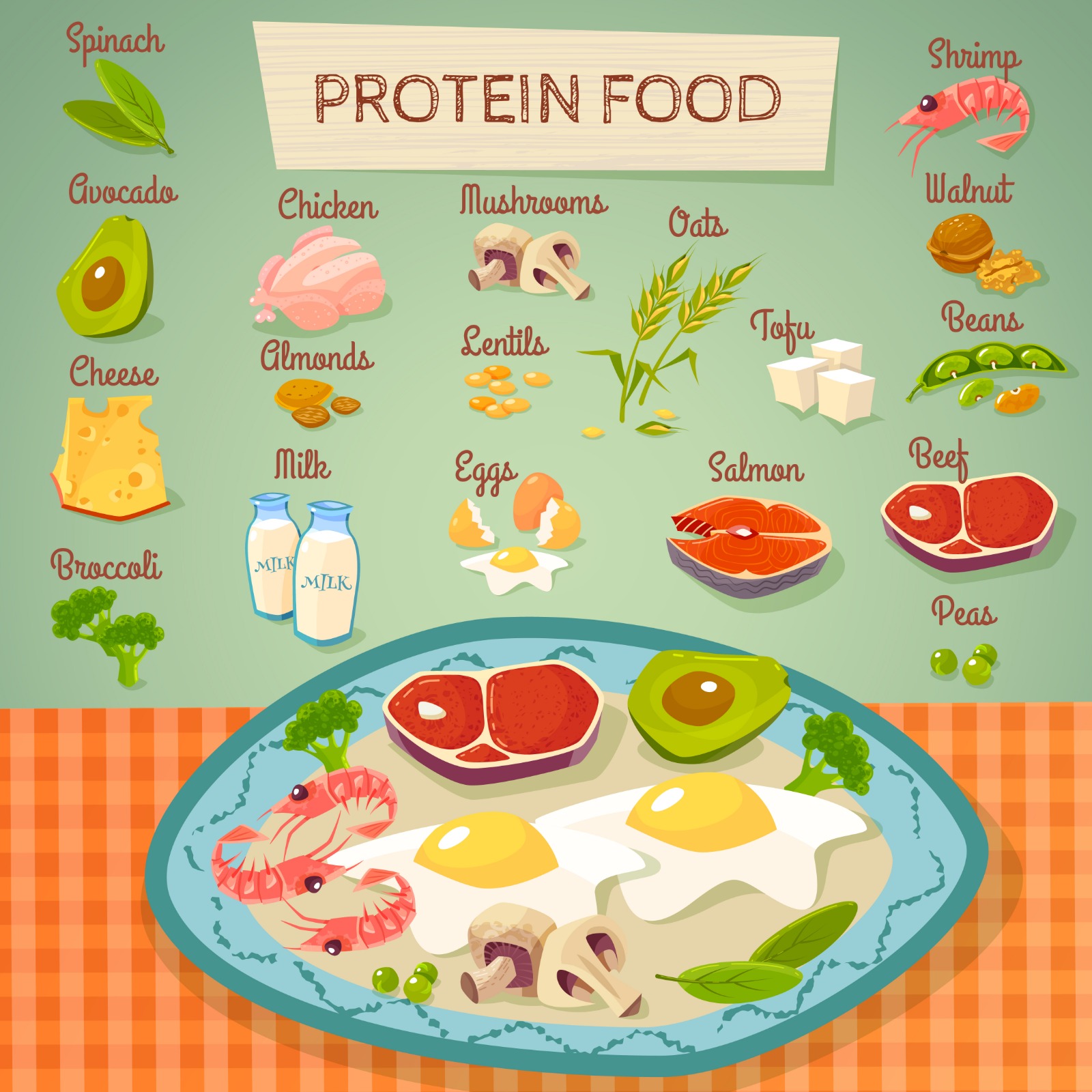
Try eggs, Greek yogurt, cottage cheese, or a simple protein smoothie.
Prioritize protein at meals
At lunch and dinner, aim for a palm-sized portion of protein.
Chicken, fish, lean beef, tofu, beans, or lentils all work.
Upgrade your snacks
Instead of crackers or fruit alone, add protein.
Think string cheese, hard-boiled eggs, edamame, or a handful of nuts.
Rotate your sources
You don’t need the same protein every day.
Salmon one night, lentils the next, chicken the day after.
Pair protein with plants
Add vegetables, fiber, and whole foods to round out your plate.
Common Myths That Keep Women Stuck
Let’s clear a few things up.
“Protein is just for bodybuilders.”
Not even close. It’s essential for healthy aging.
“Too much protein is hard on your kidneys.”
For healthy adults, higher protein intake is safe when balanced with hydration and whole foods.
“Plant protein isn’t enough.”
It absolutely can be. Beans, lentils, tofu, and tempeh are excellent options. Variety is what matters.
The Bottom Line
If you feel like your body isn’t responding the way it used to, it’s not a lack of effort.
It’s a mismatch between what your body needs now and what you’ve been told.
Protein is one of the simplest, most powerful adjustments you can make.
Not extreme. Not complicated.
Just aligned with where you are now.