
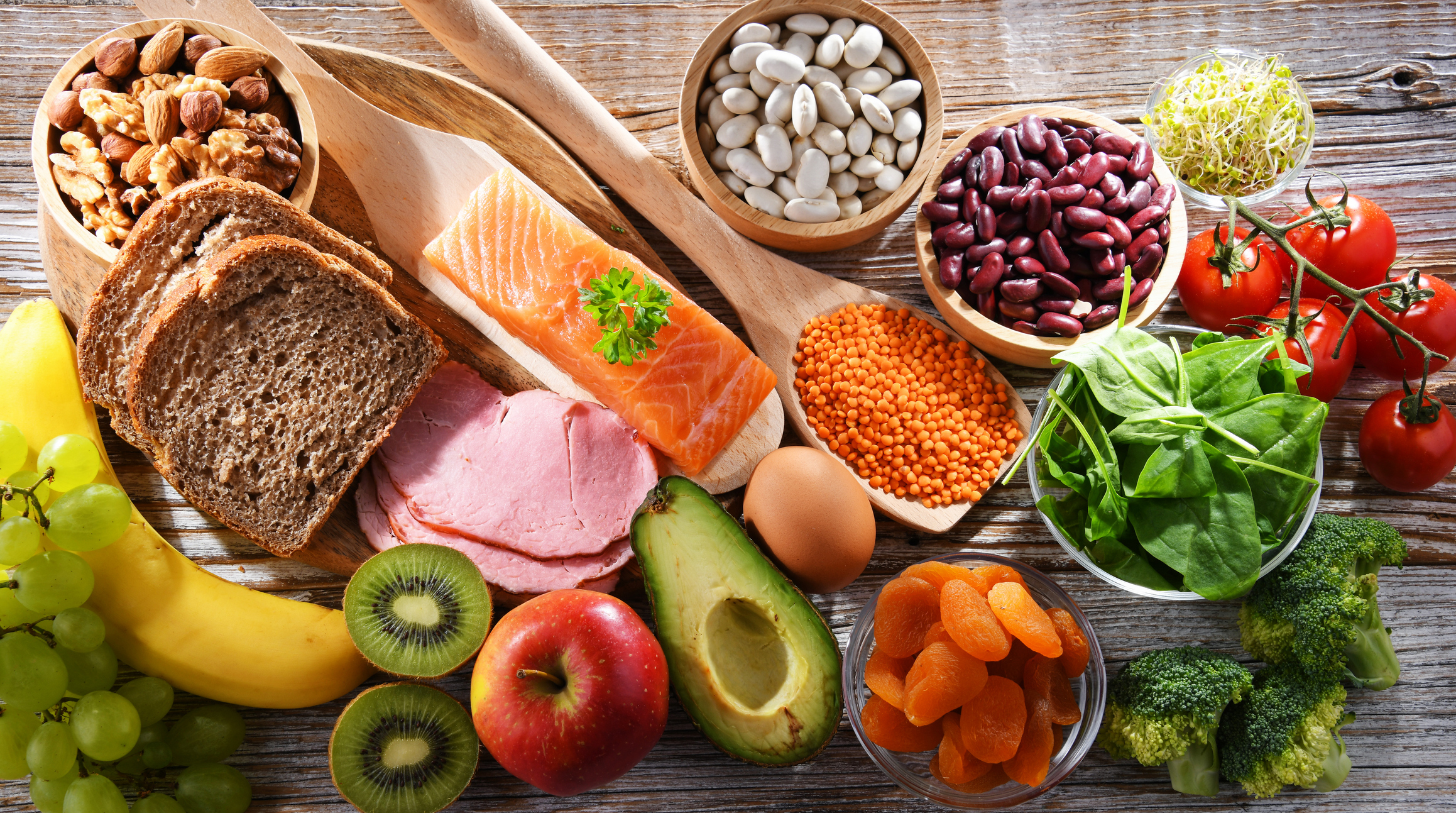
You’ve probably heard the advice to eat more protein during menopause. And it’s good advice. Proteinhelps you hold onto muscle, control appetite, and stabilize blood sugar as estrogen drops.
But here’s what nobody mentions: when you add more protein, you often crowd out fiber. And that canslow your digestion to a crawl.
The Fiber Gap That Sneaks In
High-protein diets tend to be heavy on animal foods like meat, poultry, eggs, and dairy. These arenutrient-rich, but they contain almost no fiber. Without fiber adding bulk to your stool, things slow downand elimination gets harder.
This problem compounds during menopause, when hormonal shifts are already slowing your digestion.
Dehydration Makes It Worse
Your body uses more water to digest protein than it does to digest carbs. If you’re eating more proteinwithout drinking more fluids, your stools can become dry and difficult to pass.
Your Gut Bacteria Need Fiber Too
There’s another piece to this puzzle. The beneficial bacteria in your gut feed on fiber. When fiber intakedrops, those bacteria have less to work with, which can affect how well your whole digestive systemfunctions.
The Fix Is Simple
You don’t have to cut back on protein. You just need to build meals that support your digestion at thesame time.
Try this tomorrow: make one meal that combines a good protein source with a high-fiber food. Payattention to how you feel. That simple experiment will tell you a lot about what your body needs rightnow.
Here are seven foods that give you both protein and fiber in one package.
7 High-Protein, High-Fiber Foods for Menopause
| Food | Serving Size | Protein | Fiber |
| Oat Bran | 1/3 cup dry | 5-6g | 5g |
| Black Beans & Lentils | 1/2 cup cooked | 7-8g 9-12g | 7-8g |
| Chickpeas | 1/2 cup cooked | 7g | 6g |
| Tofu (firm) | 3 oz | 8-14g | 1-2g |
| Tempeh | 3 oz | 15-18g | 4g |
| Whole Grain Rye Bread | 1 slice | 2.5-3g | 2g |
| Hemp Seeds | 3 tbsp | 10g | 1g |
- Oat Bran
Oat bran is underrated. It contains soluble fiber that holds water in your stool and keeps things moving. Italso has protein, making it a solid addition to breakfast or smoothies. Start with a small amount andincrease gradually to avoid stomach discomfort. - Beans and Lentils
Beans and lentils deliver both protein and fiber in one package. The fiber feeds your gut bacteria, whichsupports healthy digestion. Add beans to soups, salads, or grain bowls for fullness, stable blood sugar, andregularity. - Chickpeas
Chickpeas are versatile and satisfying. Toss them into salads, roast them for a crunchy snack, or blendthem into hummus. They digest more easily than some other legumes, so they’re a good starting point ifbeans tend to bother your stomach. - Tofu
Tofu is gentle on the stomach and gives you protein along with some fiber. It pairs well with vegetablesand whole grains, making it easy to build a balanced meal. A good marinade or sauce makes tofu muchmore enjoyable and easier to stick with long term. - Tempeh
Tempeh is a fermented soy product that delivers protein, fiber, and probiotics all at once. Thefermentation process creates beneficial bacteria that support gut health. Slice it into salads, bowls, orsandwiches as a swap for processed meats. - Whole-Grain Bread (Especially Rye)
You don’t have to give up bread. Dense whole-grain breads, particularly those made with rye, providefiber that supports regularity plus some protein. These breads are more filling than white bread and can
help control appetite when you eat reasonable portions. - Hemp Seeds
Hemp seeds add protein without upsetting digestion. They also contain fiber and healthy fats that keepyour gut comfortable. Sprinkle them over yogurt, salads, or smoothies for an easy nutrition boost.
Why This Matters for Weight Loss
When your digestion slows down, everything else suffers. You might notice more bloating, lower energy,unreliable hunger cues, and higher stress hormones. All of that works against fat loss.
A high-protein diet works well during menopause, but it needs to include enough fiber, fluids, and gut-supporting foods to keep your system running smoothly.
The goal isn’t restriction. It’s working with your body’s changing needs. When you prioritize digestionalongside protein, you’ll feel better and see better results.