
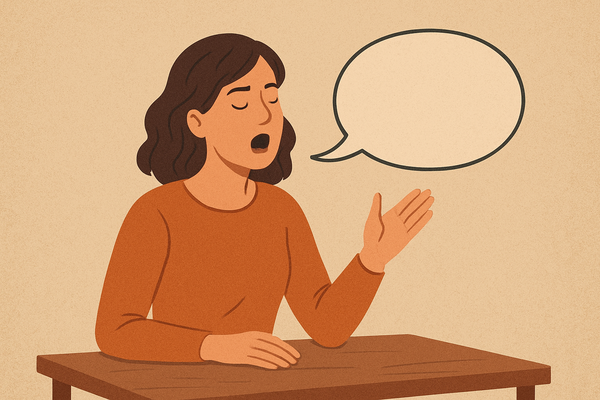
Have you ever said something with the best intentions, only to have it land completely wrong?
Misunderstandings don’t just happen because of what you say—they happen because of how the other person hears it. And once a conversation turns defensive, logic goes straight out the window.
Why this happens
Our brains process communication through words, tone, facial expressions, and—most importantly—emotional state. If the listener feels unsafe, criticized, or dismissed, their brain automatically shifts into self-protection mode.
In other words, if you’re trying to “win” an argument, you’ve already lost the opportunity for true connection.
The neuroscience of being heard
Communication engages both the prefrontal cortex (logic and reasoning) and the amygdala (emotion and threat detection).
When the amygdala senses a potential threat—like a sharp tone or loaded word—it can override rational thinking in milliseconds. That’s why how you say something often matters more than the words themselves.
Research shows that empathy, active listening, and softening your delivery help keep the amygdala calm, allowing the listener’s rational brain to stay engaged.
Three shifts to improve connection immediately
1. Get curious before you get correct
Instead of jumping in with your point, ask:
- “Can you tell me more about what you mean?”
- “What’s most important to you about this?”
Curiosity signals respect, which lowers defenses.
2. Use “I” statements, not “you” accusations
Say, “I feel unheard when…” instead of “You never listen.”
This reduces blame and keeps the focus on your experience.
3. Time your tough talks
Save important conversations for when neither of you is tired, stressed, hungry, or distracted. The brain needs the best possible conditions to process and respond well.
Your next step
When you learn to speak in a way that helps others feel safe hearing you, you unlock a level of communication that strengthens every relationship in your life.